Intelligent Systems: How Smart Technology Is Changing the Modern World
Technology has become an important part of everyday life, but some technologies are doing much more than simply following instructions. They can understand information, recognize patterns, make decisions, and improve their performance over time. These technologies are commonly known as Intelligent Systems.
From smartphones and virtual assistants to self-driving vehicles, smart healthcare tools, and automated factories, intelligent systems are becoming increasingly common. They combine software, data, sensors, algorithms, and computing power to perform tasks that once required significant human effort.
The growth of intelligent technology is changing the way people work, communicate, travel, learn, and solve problems. While these systems offer many benefits, they also create new questions about privacy, security, employment, and responsible use. Understanding how intelligent systems work and where they are being used can help us better prepare for a technology-driven future.
What Are Intelligent Systems?
An intelligent system is a technology that can collect information from its surroundings, process that information, and take an appropriate action or provide a useful response.
Unlike traditional software, which often performs a fixed set of instructions, an intelligent system can use data and advanced algorithms to respond to changing situations. Some systems can also learn from previous information and become more effective as they receive new data.
For example, a traditional calculator gives an answer based on the numbers entered by a user. An intelligent recommendation system, on the other hand, can study a person’s previous choices and suggest products, movies, music, or content that may interest them.
Intelligent systems can range from relatively simple applications to highly sophisticated platforms powered by artificial intelligence and machine learning.
How Do Intelligent Systems Work?
Most intelligent systems depend on several key components working together. The first is data. Data provides the information that a system needs to understand a situation and make decisions.
The second important component is a set of algorithms. Algorithms are instructions or mathematical methods that help the system analyze information and identify patterns.
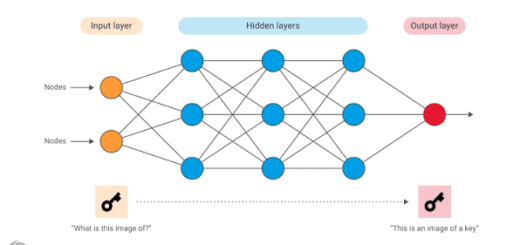
Many modern systems also use machine learning, allowing software to identify relationships within large amounts of data. Instead of being programmed for every possible situation, a machine-learning system can learn from examples.
Sensors can also play an important role. In a smart vehicle, for example, cameras, radar, GPS, and other sensors can collect information about roads, traffic, and nearby objects. The system then processes that information to help determine what action should be taken.
Finally, computing power allows the system to process information quickly. When these components work together, the result can be a system capable of making complex decisions with limited human intervention.
Common Examples of Intelligent Systems
People interact with intelligent systems more often than they may realize. Smartphones use intelligent technologies for voice recognition, photography, navigation, security, and personalized recommendations.
Virtual assistants can understand spoken requests and respond to questions or commands. Email services can automatically identify suspicious messages and move them into spam folders.
Streaming platforms also rely heavily on intelligent systems. They analyze viewing or listening habits to recommend content that matches a user’s interests.
Smart home devices provide another example. Thermostats can learn preferred temperatures, while security cameras can identify movement and send alerts when unusual activity occurs.
In transportation, intelligent systems can help manage traffic, optimize routes, monitor vehicles, and support advanced driver-assistance features.
These examples show that intelligent technology is not limited to research laboratories. It is already integrated into many ordinary activities.
Intelligent Systems in Healthcare
Healthcare is one of the areas where intelligent systems can have a significant impact. Medical professionals have access to enormous amounts of information, and analyzing that information manually can be difficult and time-consuming.
Intelligent systems can help doctors and researchers examine medical images, identify patterns, organize patient information, and support certain diagnostic processes.
For example, an AI-powered system may analyze an X-ray or another medical image and highlight areas that deserve closer attention. Such tools are generally designed to assist healthcare professionals rather than replace them.
Intelligent systems can also support personalized healthcare by analyzing information about a patient’s history and circumstances. Researchers are using similar technologies to accelerate drug discovery and identify potential treatments.
However, healthcare requires a particularly careful approach to intelligent technology. Accuracy, patient privacy, security, and human oversight are extremely important when systems are used in medical environments.
Intelligent Systems in Business
Businesses across many industries are adopting intelligent systems to improve efficiency and understand their customers.
Customer service is one common example. Intelligent chat systems can answer routine questions, provide information, and direct customers to the appropriate department. This allows human employees to focus on more complicated issues.
Companies can also use intelligent technology to analyze sales data, predict demand, detect unusual transactions, and improve supply-chain management.
In manufacturing, intelligent systems can monitor equipment and identify signs of potential problems before a major failure occurs. This approach, often called predictive maintenance, can help companies reduce downtime and maintenance costs.
Marketing teams can use intelligent systems to understand customer behavior and deliver more relevant content. When used responsibly, these technologies can help organizations make faster and more informed decisions.
The Role of Intelligent Systems in Education
Education is another field being influenced by intelligent technology. Students have different learning speeds, interests, and areas of difficulty, so a single approach may not work equally well for everyone.
Intelligent learning platforms can analyze student performance and provide personalized exercises or recommendations. A student who struggles with a particular concept may receive additional practice, while another student may be given more advanced material.
Teachers can also benefit from automated tools that help organize information, analyze assignments, and identify areas where students may need additional support.
However, technology should complement teachers rather than eliminate the human side of education. Motivation, creativity, communication, and emotional support are difficult to replace with software.
Advantages of Intelligent Systems
The growing popularity of intelligent systems comes from the many advantages they can provide.
One major benefit is efficiency. Intelligent systems can process large amounts of information much faster than humans in many situations.
They can also improve consistency. A properly designed system can perform repetitive tasks without becoming tired or distracted.
Another advantage is the ability to discover patterns. Intelligent software can examine huge datasets and identify relationships that may not be obvious to people.
Intelligent systems can also operate continuously. Automated monitoring systems, for example, can work around the clock and alert people when something unusual happens.
In dangerous environments, intelligent machines can perform tasks that may put human workers at risk. This can be particularly useful in industries such as mining, manufacturing, space exploration, and disaster response.
Challenges and Concerns
Despite their benefits, intelligent systems are not perfect. One of the biggest concerns is the quality of the data used to train or operate them. If the data contains errors or unfair patterns, the system may produce unreliable or biased results.
Privacy is another major concern. Many intelligent applications require large amounts of personal information. Organizations need to ensure that this data is collected, stored, and used responsibly.
Cybersecurity is also important. As intelligent systems become connected to more devices and services, protecting them from unauthorized access becomes increasingly necessary.
There is also concern about employment. Automation may reduce the demand for certain repetitive jobs while creating new roles that require technical and analytical skills. This means education and workforce training will become increasingly important.
Perhaps the most important challenge is human responsibility. Intelligent systems can make recommendations or decisions, but people must determine how these technologies should be used and what limits should apply.
The Future of Intelligent Systems
The future of intelligent systems is likely to involve greater integration into everyday life. As computing becomes more powerful and data becomes increasingly available, intelligent technologies may become more capable and easier to use.
Future systems could provide more personalized healthcare, smarter transportation, efficient energy management, improved industrial automation, and more adaptive educational tools.
We may also see intelligent systems working together across different environments. For example, homes, vehicles, workplaces, and public infrastructure could exchange information to create more connected services.
At the same time, technological progress will need to be matched by responsible policies and ethical standards. Building intelligent systems is not only about making them more powerful. It is also about making them reliable, secure, transparent, and beneficial to society.
The most successful future will likely be one in which intelligent technology supports human abilities rather than simply trying to replace them.
Frequently Asked Questions About Intelligent Systems
1. What are intelligent systems?
Intelligent systems are technologies that can collect and analyze information, recognize patterns, make decisions, and respond to changing situations. They often use artificial intelligence, machine learning, sensors, and data-processing technologies.
2. What is the main purpose of intelligent systems?
The main purpose is to help perform tasks more efficiently and make better decisions using available information. Depending on the application, an intelligent system may automate work, provide recommendations, detect problems, or assist people with complex tasks.
3. Where are intelligent systems used?
Intelligent systems are used in many areas, including healthcare, education, transportation, banking, manufacturing, customer service, agriculture, cybersecurity, and smart homes. Their use continues to expand as technology develops.
4. Are intelligent systems the same as artificial intelligence?
Not exactly. Artificial intelligence is a broader field involving technologies that enable machines or software to perform tasks associated with human intelligence. Intelligent systems can use AI as one of their main technologies, but they may also include sensors, databases, automation tools, and other components.
5. Can intelligent systems learn from experience?
Many modern intelligent systems can learn from data and previous examples. Machine-learning technologies allow systems to identify patterns and improve their performance when they are trained with appropriate information.
6. What are the benefits of intelligent systems?
Benefits include faster data processing, improved efficiency, automation of repetitive tasks, better pattern recognition, continuous monitoring, and decision-support capabilities. They can also help people work more effectively in complex environments.
7. What are the risks of intelligent systems?
Potential risks include privacy problems, cybersecurity threats, biased results, inaccurate decisions, and excessive dependence on automation. These risks can be reduced through careful system design, testing, human oversight, and responsible data management.
8. What is the future of intelligent systems?
The future is expected to bring more advanced and widely connected intelligent technologies. They may play an increasingly important role in healthcare, transportation, education, business, homes, and public services while working alongside humans to solve practical problems.
Conclusion
Intelligent Systems are changing the relationship between people and technology. By combining data, algorithms, sensors, and computing power, these systems can analyze information, recognize patterns, and perform tasks that once required extensive human involvement.
Their applications can be found in healthcare, education, business, transportation, manufacturing, and everyday consumer technology. They can save time, improve efficiency, support decision-making, and help solve complex problems.
However, intelligent technology also brings important responsibilities. Privacy, security, fairness, accuracy, and employment must all be considered as these systems become more widespread.
The future of intelligent systems is not simply about creating machines that can do more. It is about developing technology that can work safely and effectively alongside people. When designed and used responsibly, intelligent systems have the potential to make many aspects of modern life more efficient, accessible, and innovative.