AI-Powered Gadgets That Are Changing the Way We Live and Work
Introduction
Technology has always influenced the way people live, communicate, and work. From the invention of the personal computer to the rise of smartphones and the internet, every major technological shift has introduced new possibilities and changed everyday habits. Today, artificial intelligence is driving another important transformation, bringing intelligence and automation into the gadgets people use at home, in offices, and while traveling.
AI-powered gadgets are no longer limited to experimental devices or expensive futuristic products. They are becoming part of everyday life through smartwatches, wireless earbuds, intelligent home appliances, security cameras, digital assistants, and AI-enabled computers. These devices can recognize patterns, respond to voice commands, analyze information, and help users complete tasks with less manual effort.
What makes this development particularly interesting is that AI is changing not only what gadgets can do but also how people interact with technology. Instead of simply following instructions, some devices can adapt to user preferences, provide personalized recommendations, and automate routine activities. A smartwatch can help track fitness patterns, a smart speaker can manage household routines, and an AI assistant can help prepare a report or organize a busy schedule.
Businesses are also discovering new ways to use intelligent gadgets to improve productivity, communication, and decision-making. At the same time, these technologies raise questions about privacy, security, affordability, and the growing role of automation in daily life.
Understanding these changes is important because AI-powered gadgets are becoming more than convenient accessories. They are developing into tools that influence how people manage their time, maintain their homes, learn new skills, and perform professional tasks.
This article explores the most important AI-powered gadgets changing the way we live and work, the benefits they offer, the challenges they create, and what their future may look like.
1. AI Smartphones: Intelligent Assistants in Our Pockets
Smartphones have become essential tools for communication, entertainment, navigation, shopping, and work. With the integration of artificial intelligence, they are evolving into more capable personal assistants.
Modern AI-enabled smartphones can help users edit photographs, summarize selected information, translate languages, organize notes, and interact with applications through natural language. Depending on the device, some tasks can be performed directly on the phone, while others rely on cloud-based AI services.
One of the biggest advantages is convenience. Instead of manually searching through large amounts of information, users may be able to ask an assistant to locate a particular document, summarize a message, or help prepare a schedule.
AI also improves mobile photography. Smartphone cameras can recognize scenes, optimize exposure, reduce image noise, and enhance details through computational photography. These features allow ordinary users to capture better photographs without needing extensive technical knowledge.
For professionals, AI-powered mobile tools can help draft emails, summarize meeting notes, and translate business communications. Students can use them to explain unfamiliar concepts or organize study materials.
However, the usefulness of these features depends on their accuracy, availability, and ease of use. AI-generated information should be reviewed, particularly when it affects professional decisions or important personal matters.
Privacy is another important consideration. Users should understand which information stays on their device and which data may be sent to external services.
As smartphones continue to evolve, their greatest strength may be their ability to combine communication, computing, and intelligent assistance within a device people already carry every day.
2. Smartwatches and AI-Powered Wearables
Smartwatches and wearable devices have changed how people monitor physical activity, receive notifications, and manage daily routines. AI is making these gadgets more useful by helping users interpret information collected throughout the day.
Depending on the model, a smartwatch may measure heart rate, estimate activity levels, track sleep patterns, and provide reminders to move. Some devices offer additional health-related notifications and features designed to help users recognize changes in their measurements.
AI can help organize these measurements into understandable summaries. Instead of reviewing individual readings, users may receive an overview of activity patterns, exercise consistency, or sleep trends.
For example, someone trying to become more active could use a wearable device to establish achievable goals and monitor progress over several weeks. A person training for a sporting event might use fitness data to understand exercise habits and recovery patterns.
Wearables can also support everyday productivity. Users can check reminders, respond to selected notifications, manage timers, and access certain assistant features without taking out their phones.
In workplaces, specialized wearable devices may support hands-free communication, equipment monitoring, or access to instructions.
However, wearable measurements are not always perfectly accurate, and consumer health devices cannot replace professional medical evaluation. Users should also be aware that health and location information can be sensitive.
The future of AI-powered wearables will depend on their ability to provide useful insights without overwhelming users with notifications or encouraging unnecessary concern about normal variations in personal measurements.
3. Smart Glasses: A New Way to Interact With Technology
Smart glasses are emerging as an interesting category of AI-powered gadgets because they offer a way to access digital assistance without constantly looking at a smartphone.
Depending on the model, smart glasses may include cameras, microphones, speakers, voice assistants, and visual displays. These components can support features such as hands-free communication, photography, audio playback, and AI-assisted information retrieval.
Imagine walking through a new city and asking your glasses for directions. Instead of holding a phone, you might receive spoken instructions while continuing to look at your surroundings.
Smart glasses may also help users translate selected spoken language, identify objects, or receive assistance with everyday tasks, depending on the device’s capabilities and software.
In professional environments, these devices could provide hands-free access to instructions. A technician repairing equipment might consult visual guidance, while a warehouse employee could receive information about inventory or order handling.
For education, smart glasses could eventually support interactive learning experiences by connecting digital information with physical objects.
Nevertheless, the technology still faces several challenges. Battery life, comfort, display quality, price, and social acceptance all influence whether people will use smart glasses regularly.
Privacy is particularly important. Devices equipped with cameras and microphones can raise concerns about recording people who have not agreed to be recorded.
For smart glasses to become widely accepted, manufacturers will need to create products that are comfortable, genuinely useful, transparent about recording, and respectful of other people’s privacy.
4. AI-Powered Earbuds and Intelligent Audio Devices
Wireless earbuds have become popular because they provide portable audio for music, calls, entertainment, and online meetings. AI is expanding their capabilities beyond simply playing sound.
Modern earbuds may use intelligent noise cancellation to reduce unwanted background noise and improve listening comfort. Some systems can adjust audio processing according to the surrounding environment or the user’s preferences.
AI-powered microphones can also help make conversations clearer by separating a speaker’s voice from background sounds.
These capabilities are useful for people working in busy offices, traveling on public transportation, or attending online meetings from home.
Another developing area is real-time language assistance. Compatible applications and devices may help translate conversations between different languages, making communication easier for travelers and multilingual teams.
Voice assistants can also allow users to control selected functions, ask questions, manage calls, and access information without touching their phones.
In the workplace, intelligent audio devices can support hands-free communication, especially for people who move between meetings or work in environments where using a screen is inconvenient.
However, translation systems may misunderstand accents, technical terms, or context. Users should not assume that automated translation is always accurate, particularly during important business, legal, or medical conversations.
As these technologies improve, earbuds may become more like personal communication assistants, helping people hear more clearly, interact with digital services, and communicate across language barriers.
5. AI Home Assistants and Smart Speakers
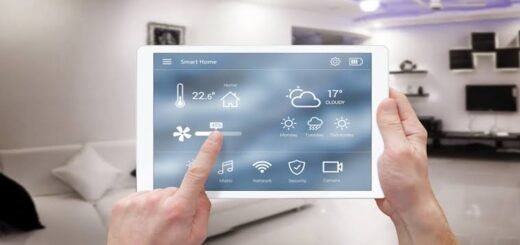
Smart speakers and home assistants have made voice-controlled technology familiar to many households. Users can ask these devices to play music, set timers, check weather information, control compatible lights, or manage reminders.
AI is helping these systems understand requests more naturally and support more complex interactions.
For example, someone preparing dinner might ask a home assistant to set several timers, convert a measurement, and add missing ingredients to a shopping list. A household could create routines that adjust lighting, control compatible appliances, and provide reminders at specific times.
More advanced assistants may help coordinate multiple connected devices and respond to requests involving several steps. The availability of these capabilities depends on the platform, device, and services connected to it.
Smart speakers can also support accessibility by allowing people to interact with technology through voice commands instead of small touchscreens.
However, voice-controlled systems can misunderstand commands, respond incorrectly, or struggle with background noise. Some features depend on internet connectivity, and users need to understand how voice recordings and associated data are handled.
A smart speaker should not be treated as a replacement for emergency services or a guaranteed source of accurate information.
The greatest potential of AI home assistants lies in making household technology easier to operate. When designed well, they reduce the need to manage separate devices manually and make routine activities more convenient.
6. AI Robots That Handle Everyday Tasks
Robotics is another field where artificial intelligence is creating practical benefits. While fully autonomous household robots remain limited in their abilities, specialized devices are already helping people complete certain repetitive tasks.
Robot vacuum cleaners are a familiar example. Many models can map rooms, detect obstacles, plan cleaning routes, and automatically return to their charging stations.
Some robotic lawn mowers can navigate outdoor areas and follow programmed boundaries, while specialized cleaning robots are used in commercial buildings and other controlled environments.
In workplaces, robots may transport materials, assist with warehouse operations, inspect equipment, or perform repetitive movements in manufacturing environments.
AI helps these machines interpret sensor information, recognize selected objects, and respond to changes in their surroundings.
For example, a warehouse robot may use sensors and navigation software to move between storage locations while avoiding obstacles. In a factory, an intelligent robotic system may help identify product defects through machine vision.
Despite these advances, robots still have limitations. They may struggle with unfamiliar environments, unusual objects, or tasks requiring flexible human judgment. More advanced robots can also be expensive to purchase, maintain, and repair.
Safety is particularly important when machines operate near people.
The future of AI-powered robotics will likely involve gradual expansion into specific tasks where automation provides clear value. Rather than replacing every human activity, many robots will serve as practical assistants that reduce physical effort and improve consistency.
7. AI Security Cameras and Smart Home Protection
Home security technology has evolved from basic recording cameras to connected systems capable of detecting certain events and sending notifications to homeowners.
AI-powered security cameras can distinguish between selected types of movement, recognize familiar patterns, and reduce some unnecessary alerts. Depending on the model, they may identify people, vehicles, or animals within a camera’s field of view.
For example, a homeowner might receive a notification when someone approaches the front door rather than receiving an alert every time a tree moves in the wind.
Smart doorbells can also help residents see visitors remotely and communicate with them through a connected application.
In businesses, intelligent surveillance systems may help security teams monitor large areas and identify unusual activity for further review.
However, AI detection is not infallible. Cameras can misclassify objects, overlook events, or generate false alerts. Facial recognition features, where available, also raise significant privacy and fairness concerns.
Users should secure their cameras with strong passwords, enable multifactor authentication where supported, install updates, and carefully review recording settings.
They should also consider where cameras are placed and whether recording affects neighbors, visitors, or other people who have not consented.
Smart security gadgets can improve awareness and convenience, but they should complement rather than replace sensible security practices.
8. AI Kitchen Gadgets and Intelligent Appliances
The kitchen is becoming another area where AI-powered gadgets can simplify everyday routines.
Smart ovens, connected refrigerators, cooking devices, and kitchen assistants can provide instructions, manage selected settings, and help users organize food preparation.
Depending on the appliance, intelligent cooking systems may recommend temperatures and cooking times, guide users through recipes, or adjust settings according to selected programs.
Connected refrigerators may offer inventory-management features or reminders about food items, although these capabilities vary widely across products.
AI-powered applications can also help users plan meals based on preferences, available ingredients, and dietary requirements. A user might list the ingredients already available at home and request suggestions for a simple dinner.
For people with busy schedules, these tools can reduce the time spent deciding what to cook and preparing shopping lists.
Restaurants and commercial kitchens may use more specialized AI systems to monitor equipment, predict maintenance needs, or improve inventory management.
However, kitchen automation should not be confused with guaranteed food safety. Users must still follow appropriate food-storage, cooking, and hygiene practices.
Smart appliances can also cost more than conventional alternatives and may depend on software support or cloud connectivity.
Their greatest benefit comes when they solve recurring problems, reduce food waste, or make cooking easier without adding unnecessary complexity.
9. AI Gadgets Are Transforming the Workplace
AI-powered gadgets are becoming useful tools in offices, factories, retail environments, and remote-working setups.
Modern computers can include specialized processors designed to accelerate certain AI workloads. These capabilities can support features such as background-noise reduction, image enhancement, transcription, and selected local AI applications.
AI-enabled webcams can automatically frame speakers, adjust lighting, and help improve the appearance of video calls. Intelligent microphones can reduce background noise, making remote meetings easier to follow.
Digital recording devices and compatible software may transcribe conversations, summarize meetings, and identify action items. These tools can help employees spend less time writing notes and more time participating in discussions.
In industrial environments, connected sensors can monitor equipment performance and help identify signs of possible failure. This may allow maintenance teams to investigate problems before they cause significant downtime.
Retail businesses can use smart inventory systems to track stock levels, while logistics operations can employ intelligent scanners and automated equipment to improve efficiency.
However, AI-generated summaries and recommendations require review. Incorrect transcriptions or missing context can create confusion, particularly when employees rely on automated records for important decisions.
Organizations should also consider confidentiality, workplace monitoring, employee consent, and the security of recorded information.
The most successful workplace gadgets will be those that support employees and improve the quality of work rather than simply increasing the amount of activity being measured.
10. AI Gadgets for Students and Lifelong Learners
Education is becoming more flexible as intelligent tools provide new ways to study, practice, and organize information.
Students can use AI-enabled tablets, laptops, digital pens, and educational applications to create notes, summarize selected material, and develop personalized revision plans.
Some applications can convert handwritten notes into searchable text, while others can help explain complicated concepts or generate practice questions.
For example, a student studying biology might ask an AI learning assistant to explain a process in simpler language and then create questions to test understanding.
Language learners can practice conversations, receive grammar suggestions, and build vocabulary through interactive exercises.
Digital accessibility tools can also help learners with disabilities through speech recognition, text-to-speech functions, captions, and other assistive features.
These capabilities can make learning more convenient, particularly for people who need additional explanations or prefer to study independently.
However, educational gadgets can become distractions if students focus more on notifications and entertainment than learning.
There is also a risk that students may copy AI-generated answers instead of developing their own reasoning skills. Teachers and learners need to establish clear expectations about when and how these tools should be used.
AI works best in education when it encourages curiosity, provides helpful feedback, and supports independent thinking.
The goal is not to make learning effortless but to make the process more accessible, engaging, and effective.
11. AI Fitness Gadgets and Personal Wellness
Fitness gadgets are becoming more intelligent as manufacturers combine sensors, mobile applications, and AI-powered analysis.
Smart scales, fitness trackers, connected exercise equipment, and wearable devices can collect information about activity, exercise sessions, and selected body measurements.
AI can help transform this information into understandable trends and practical suggestions.
For example, an exercise application may help users establish a consistent workout schedule, track progress, and adjust activity goals according to previous performance.
Some connected fitness devices can provide feedback on movement or exercise technique, although the accuracy and usefulness of these features depend on the equipment and the activity being measured.
Smart sleep trackers can also summarize estimated sleep patterns and help users identify habits that may be worth discussing with a qualified professional.
These tools may encourage people to become more active and pay closer attention to their routines.
Nevertheless, personal wellness gadgets should be used with realistic expectations. Consumer devices may produce inaccurate measurements, and AI-generated health recommendations can be misleading.
People should avoid treating automated fitness scores as definitive judgments about their health or physical condition.
The best wellness gadgets encourage sustainable habits without creating unnecessary pressure or replacing professional medical advice.
12. The Benefits of AI-Powered Gadgets for Everyday Life
The growing popularity of intelligent gadgets reflects several practical advantages.
First, they can save time by automating repetitive activities. Smart lighting, robot cleaners, digital assistants, and intelligent scheduling tools can reduce the number of tasks people must manage manually.
Second, AI can improve convenience by making devices easier to operate. Voice commands, natural-language interfaces, and personalized settings can help users interact with technology without learning complicated procedures.
Third, intelligent gadgets can support accessibility. Speech recognition, audio descriptions, translation, and other assistive functions can help people with different abilities use digital services more effectively.
Fourth, AI can support better-informed decisions. Energy-monitoring devices, fitness applications, and productivity tools can help users identify patterns and understand their routines.
Finally, these technologies can improve productivity in workplaces by assisting with information management, equipment monitoring, communication, and selected repetitive tasks.
However, the benefits depend on how the devices are designed and used. A gadget that requires constant troubleshooting or provides unreliable recommendations may create more work than it saves.
Consumers should focus on the problems they want to solve rather than purchasing products simply because they contain AI.
13. Privacy, Security, and Other Challenges
Despite their advantages, AI-powered gadgets introduce risks that users should understand.
Many connected devices collect information about behavior, preferences, location, voice commands, or activity patterns. When this information is poorly protected or collected without clear consent, it can create privacy concerns.
Cybersecurity is another important issue. Weak passwords, outdated firmware, insecure applications, and poorly configured networks can expose connected devices to unauthorized access.
AI systems can also make mistakes. A smart camera may identify the wrong object, a digital assistant may misunderstand an instruction, or a wearable device may report an inaccurate measurement.
Cost and accessibility matter as well. Premium AI gadgets can be expensive, while some features require subscriptions or newer hardware. Consumers should consider the long-term cost of ownership, including maintenance, repairs, and software support.
To reduce these risks, users should choose reputable products, install updates, review privacy settings, use strong authentication, and disable unnecessary features.
Manufacturers should provide clear information about data collection, support products with timely security updates, and give users meaningful control over automated functions.
Responsible design is essential because intelligent gadgets often operate in private spaces such as homes, workplaces, and personal devices.
Technology should earn users’ trust through reliability, transparency, and respect for personal information.
14. What the Future of AI-Powered Gadgets May Look Like
The next generation of AI-powered gadgets will likely focus on making technology more personalized, connected, and capable of handling multistep tasks.
Instead of controlling each device separately, users may increasingly interact with assistants that coordinate activities across smartphones, computers, wearables, home appliances, and connected services.
For example, an AI assistant might help plan a weekly schedule, suggest meals, prepare a shopping list, and coordinate reminders across compatible applications. With explicit permission, it could also trigger certain actions on connected devices.
More powerful on-device processors may allow smartphones, computers, and other gadgets to perform additional AI tasks locally. This could improve response times and reduce the need to send certain information to external servers.
Robotics may also advance, particularly in environments where tasks are predictable and specialized automation offers clear benefits.
Smart glasses and other wearable devices could provide alternative ways to access information, while improvements in battery technology and energy efficiency may make intelligent gadgets more practical.
However, future development will depend on affordability, reliability, safety, and consumer acceptance.
Not every task needs to be automated, and not every household needs dozens of connected devices.
The most valuable innovations will be those that integrate naturally into everyday routines, provide clear benefits, and give users control over how technology operates.
Conclusion
AI-powered gadgets are changing the way people live and work by bringing intelligent assistance into familiar devices and everyday activities.
Smartphones are becoming more capable personal assistants, wearables are helping people understand activity patterns, smart speakers are simplifying household control, and AI-enabled computers are supporting workplace productivity. Security cameras, kitchen appliances, educational tools, and specialized robots are also demonstrating how artificial intelligence can address practical problems.
These innovations offer opportunities to save time, improve convenience, support accessibility, and make better use of information. Yet they also introduce challenges involving privacy, cybersecurity, accuracy, affordability, and dependence on automated systems.
For consumers, the smartest approach is to choose gadgets that solve genuine problems and understand their limitations. For businesses, successful adoption requires clear goals, employee training, strong security, and appropriate human oversight.
Manufacturers also have an important responsibility to make intelligent devices reliable, secure, repairable, and transparent about how they use personal information.
Ultimately, the future of AI-powered gadgets is not simply about creating machines with increasingly advanced capabilities. It is about designing technology that fits naturally into human life.
When used thoughtfully, these gadgets can reduce everyday burdens, improve professional efficiency, and create new opportunities for learning, communication, and personal well-being. The most successful devices will be those that make life easier without taking away the human judgment, creativity, and personal connections that make life meaningful.