Connected Gadgets: How Smart Devices Are Changing Everyday Life
Technology has become a natural part of everyday life, and connected gadgets are one of the biggest reasons behind this change. From smartwatches and wireless earbuds to smart home devices and connected fitness trackers, these gadgets are making daily activities easier, faster, and more convenient. Instead of working as separate devices, many modern gadgets can connect to the internet, smartphones, and other devices to share information and perform tasks automatically.
The idea behind connected gadgets is simple: devices communicate with each other and provide useful information or services with less effort from the user. A smartwatch can display phone notifications, a smart speaker can control lights, and a fitness tracker can send health and activity data to a smartphone. This level of connectivity has created a more interactive and personalized experience for consumers.
What Are Connected Gadgets?
Connected gadgets are electronic devices that can communicate with other devices or online services through technologies such as Wi-Fi, Bluetooth, mobile networks, or other wireless connections. Their ability to exchange data is what makes them different from traditional electronic products.
For example, a regular watch mainly tells time, while a connected smartwatch can show messages, monitor physical activity, track sleep, receive calls, and interact with mobile applications. Similarly, a traditional light switch simply turns a light on or off, whereas a smart lighting system can be controlled through a smartphone or voice command.
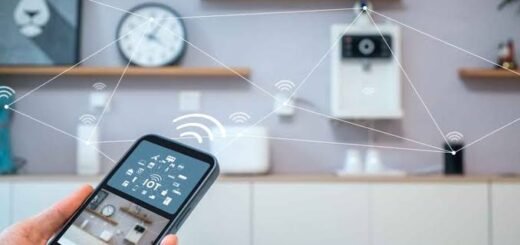
Connected gadgets are often considered part of the broader Internet of Things (IoT). The IoT connects physical devices to digital networks, allowing them to collect, send, and sometimes analyze information without requiring constant human interaction.
Popular Types of Connected Gadgets
There are many types of connected gadgets available today, and new products continue to appear as technology develops.
Smartwatches and Fitness Trackers
Smartwatches are among the most popular connected gadgets. They can connect with smartphones and provide quick access to notifications, calls, messages, calendars, music, and applications. Many models also include sensors that track steps, workouts, heart rate, sleep patterns, and other fitness information.
Fitness trackers focus more specifically on health and activity monitoring. They are useful for people who want to understand their daily movement and develop healthier habits.
Wireless Earbuds
Wireless earbuds have transformed the way people listen to music, podcasts, and phone calls. Most modern earbuds use Bluetooth to connect with smartphones, tablets, and computers.
Some advanced models offer features such as noise cancellation, touch controls, voice assistants, automatic device switching, and personalized sound settings. Their compact size and wireless design make them convenient for commuting, exercise, travel, and everyday use.
Smart Home Devices
Smart home gadgets are another major category of connected technology. Smart bulbs, thermostats, security cameras, doorbells, plugs, and locks can often be controlled through a smartphone application or voice assistant.
These devices can also work together. For instance, a smart motion sensor could detect movement and trigger connected lights automatically. This type of automation can make a home more comfortable while potentially helping users manage energy consumption.
Smart Speakers
Smart speakers combine traditional audio functions with voice-controlled technology. Users can ask questions, play music, set reminders, check the weather, control compatible home devices, and perform other tasks using voice commands.
Because smart speakers can communicate with other connected gadgets, they can serve as a central control point for many smart home systems.
Connected Cars
Modern vehicles increasingly include connected features such as smartphone integration, navigation services, remote controls, vehicle diagnostics, and emergency assistance. Some cars can connect to mobile applications, allowing owners to check certain vehicle information or perform selected functions remotely.
Connected cars demonstrate how gadgets and digital technology are moving beyond personal electronics and becoming part of transportation.
Benefits of Connected Gadgets
The biggest advantage of connected gadgets is convenience. Tasks that once required several steps can often be completed with a single tap, voice command, or automated action.
For example, someone leaving home may be able to turn off smart lights, adjust the thermostat, and check security cameras through one smartphone application. A smartwatch can also reduce the need to constantly check a phone because important notifications appear directly on the user’s wrist.
Another benefit is personalization. Many connected devices learn from user preferences and activity patterns. A smart thermostat, for example, may adjust settings based on schedules, while a fitness tracker can provide personalized activity information.
Connected gadgets can also improve productivity. Calendar reminders, voice assistants, smart displays, and synchronized devices help users organize information and complete everyday tasks more efficiently.
For businesses and professionals, connected technology can provide additional advantages. Connected equipment can collect operational data, identify potential problems, and help organizations make more informed decisions.
How Connected Gadgets Work
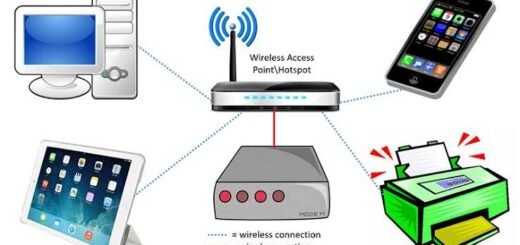
Connected gadgets rely on wireless communication technologies to exchange information. Bluetooth is commonly used for short-range connections, such as pairing wireless earbuds with a smartphone. Wi-Fi is useful when a device needs access to a home network or the internet.
Some gadgets also use cellular networks, particularly devices that need to remain connected while away from Wi-Fi. Other technologies, including Zigbee and Thread, are used in certain smart home environments.
Most connected gadgets also depend on software. A mobile application or cloud service may allow users to control the device, view information, change settings, or receive notifications.
The real power of connected gadgets comes from the combination of hardware, connectivity, software, and data. A device may collect information through sensors, transmit that information to an application, and then provide useful feedback to the user.
Security and Privacy Concerns
Although connected gadgets offer many benefits, they also create security and privacy concerns. Because these devices can collect and transmit data, users should understand what information is being gathered and how it is being used.
Weak passwords, outdated software, unsecured networks, and poorly configured devices can increase security risks. A connected camera, for example, should be protected with a strong password and updated software to reduce the chances of unauthorized access.
Privacy is another important consideration. Some gadgets may collect location information, usage patterns, voice recordings, health-related data, or other personal information. Before purchasing a connected device, consumers should review its privacy settings and understand the manufacturer’s data policies.
Using unique passwords, enabling two-factor authentication when available, installing software updates, and purchasing devices from reputable manufacturers are practical ways to improve security.
The Future of Connected Gadgets
The future of connected gadgets is likely to be more integrated and intelligent. Devices will increasingly communicate with each other without requiring users to manually manage every connection.
Artificial intelligence is also expected to play a larger role. Instead of simply following commands, future gadgets may be able to understand patterns, predict needs, and provide more personalized assistance.
For example, a connected home could automatically adjust lighting, temperature, and entertainment settings based on a person’s routine. Wearable devices may provide increasingly detailed insights into activity and wellness, while connected vehicles may offer more advanced assistance and communication features.
However, future development will also require stronger attention to privacy, security, compatibility, and responsible data use. Consumers will benefit most when connected technology remains easy to control and transparent about how personal information is handled.
Are Connected Gadgets Worth Buying?
Whether a connected gadget is worth buying depends on the user’s needs. Not every smart device provides meaningful value simply because it has an internet connection.
Before buying one, consider what problem the gadget solves. A smartwatch may be useful for someone who wants quick notifications and fitness tracking, while a smart plug could be valuable for someone interested in home automation.
It is also important to consider compatibility. A gadget that does not work well with your existing smartphone, operating system, or smart home ecosystem may create more frustration than convenience.
Price, battery life, reliability, security features, privacy controls, and software support should also be considered. The best connected gadget is not necessarily the one with the most features; it is the one that provides useful functions without making everyday life unnecessarily complicated.
Frequently Asked Questions About Connected Gadgets
1. What are connected gadgets?
Connected gadgets are electronic devices that communicate with smartphones, other devices, networks, or online services. They commonly use technologies such as Bluetooth, Wi-Fi, or cellular connectivity to exchange information and provide additional features.
2. What are some examples of connected gadgets?
Common examples include smartwatches, fitness trackers, wireless earbuds, smart speakers, smart bulbs, security cameras, smart thermostats, connected cars, and smart home appliances.
3. Are connected gadgets the same as IoT devices?
Connected gadgets are closely related to the Internet of Things (IoT). Many connected gadgets are IoT devices because they can communicate over networks and exchange data. However, the term connected gadget is often used more broadly for consumer electronic devices with connectivity features.
4. Do connected gadgets need Wi-Fi?
Not always. Some connected gadgets use Bluetooth, cellular networks, or other wireless technologies. For example, wireless earbuds generally use Bluetooth, while some smart home devices rely on Wi-Fi or specialized communication protocols.
5. Are connected gadgets secure?
Connected gadgets can be secure when they are properly designed, updated, and configured, but they can also introduce security risks. Users should use strong passwords, install updates, enable available security features, and purchase devices from trustworthy manufacturers.
6. Can connected gadgets save energy?
Some connected gadgets can help users manage energy more efficiently. Smart thermostats, plugs, and lighting systems can automate schedules and allow users to monitor or control devices remotely, potentially reducing unnecessary energy use.
7. What should I consider before buying a connected gadget?
Consider its price, purpose, compatibility, battery life, security, privacy controls, reliability, and software support. It is also worth checking whether the device works with your existing smartphone or smart home ecosystem.
8. What is the future of connected gadgets?
The future is likely to involve greater automation, improved artificial intelligence, better device-to-device communication, and more personalized experiences. Connected gadgets may increasingly anticipate user needs while requiring less manual control.
Conclusion
Connected gadgets are changing the way people interact with technology. By allowing devices to communicate, exchange information, and automate everyday tasks, they can make homes, workplaces, travel, entertainment, and personal routines more convenient.
From smartwatches and wireless earbuds to smart home systems and connected cars, these devices are becoming increasingly common. At the same time, users need to think carefully about privacy, security, compatibility, and the actual value a device provides.
As connectivity and artificial intelligence continue to advance, connected gadgets will likely become even more capable and integrated into daily life. The goal, however, should remain simple: technology should make life easier, not more complicated.