Innovative Devices: How Smart Technology Is Changing Everyday Life
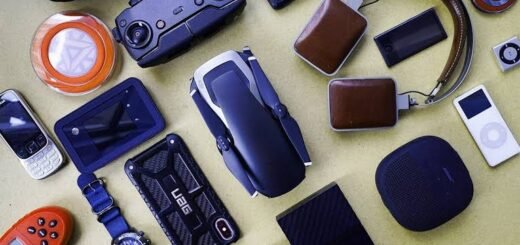
Technology is changing the way we live, work, communicate, and even relax. Every year, new products appear that make everyday tasks faster, easier, and more convenient. From smart home equipment and wearable technology to advanced healthcare tools and intelligent personal gadgets, innovative devices are becoming an important part of modern life.
These devices are not simply designed to look futuristic. Their main purpose is to solve real-world problems, improve efficiency, and give people more control over the way they use technology. As technology continues to develop, innovative products are becoming smaller, smarter, and more connected.
What Are Innovative Devices?
Innovative devices are technology-based products that introduce new or improved ways of completing tasks. They may use artificial intelligence, sensors, wireless connectivity, automation, advanced materials, or other modern technologies to provide useful features.
A device does not necessarily have to be completely new to be considered innovative. Sometimes, innovation means improving an existing product. For example, a traditional watch became more useful when manufacturers introduced smartwatches capable of tracking fitness, displaying notifications, monitoring health information, and connecting with smartphones.
The most successful innovative devices usually have one thing in common: they make people’s lives easier without making technology unnecessarily complicated.
Why Are Innovative Devices Becoming So Popular?
One major reason for the growing popularity of innovative devices is convenience. People are increasingly looking for technology that can save time and reduce effort. A smart speaker, for instance, can answer questions, control compatible home appliances, set reminders, and play music through simple voice commands.
Another important factor is connectivity. Many modern devices can communicate with smartphones, computers, cloud services, and other smart products. This creates an ecosystem where different technologies can work together.
Affordability has also played a role. While advanced technology was once expensive and available mainly to businesses or wealthy consumers, many modern devices are now available at different price points. This has allowed more people to experience the benefits of new technology.
Innovative Devices in the Smart Home
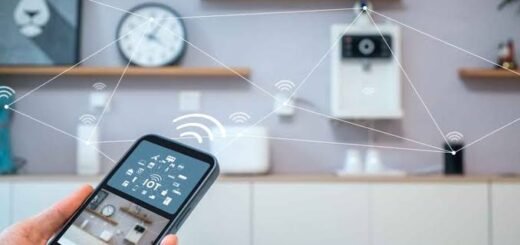
The smart home is one of the clearest examples of how technology is changing everyday life. Smart lights, security cameras, thermostats, doorbells, locks, and appliances can be connected to a home network and controlled remotely.
Smart lighting systems allow users to turn lights on or off through a smartphone or voice command. Some systems can automatically adjust brightness based on the time of day or activity.
Smart security devices can provide another layer of protection. Modern cameras and doorbells may send alerts when movement is detected, allowing homeowners to check what is happening even when they are away.
Smart thermostats are also becoming increasingly popular because they can learn household routines and adjust temperatures automatically. This can make homes more comfortable while potentially reducing unnecessary energy consumption.
Wearable Technology and Personal Health
Wearable technology has become another major category of innovative devices. Smartwatches and fitness trackers can collect information about daily activity, exercise, sleep patterns, and other health-related measurements.
For many people, these devices encourage healthier habits by making personal information easier to understand. Seeing daily steps, workout duration, or heart-rate information can motivate users to become more active.
Wearable technology is also becoming more advanced. Some devices offer features designed to monitor specific health indicators and notify users when unusual readings are detected. However, users should remember that consumer wearables are not always a replacement for professional medical equipment or advice.
The future of wearable technology could bring even more personalized experiences as sensors and artificial intelligence become more sophisticated.
Innovative Devices for Work and Productivity
Technology has also transformed the modern workplace. Innovative devices are helping professionals communicate, organize information, and complete tasks more efficiently.
Portable monitors, advanced wireless keyboards, smart pens, noise-canceling headphones, and compact docking stations are examples of products designed for modern workers. These tools are especially useful for people who work remotely or move between different locations.
Some devices also use artificial intelligence to assist with writing, organization, transcription, translation, and information management. Instead of replacing human creativity, these technologies can reduce repetitive work and allow people to focus on more meaningful responsibilities.
The increasing popularity of hybrid and remote work is likely to encourage further development in this area.
Innovative Devices in Healthcare
Healthcare is another field where technological innovation can make a significant difference. Modern medical and consumer health devices can help professionals collect information, monitor patients, and improve access to healthcare services.
Portable monitoring equipment can make it easier to track certain health conditions outside traditional medical settings. Telehealth devices can also help patients communicate with healthcare professionals remotely.
For individuals, some smart health devices can provide useful information about physical activity, sleep, and other personal measurements. This information may help people become more aware of their general habits.
At the same time, healthcare technology requires careful consideration of privacy, accuracy, and safety. Users should understand how their health information is collected, stored, and shared before relying heavily on a connected device.
The Role of Artificial Intelligence
Artificial intelligence is one of the biggest forces behind today’s innovative devices. AI allows products to analyze information, recognize patterns, understand commands, and sometimes make predictions.
For example, modern smartphones use AI for photography, voice recognition, security, and personalization. Smart home systems can learn user preferences, while wearable devices can analyze collected data to provide more meaningful insights.
As AI technology improves, devices are likely to become more adaptive. Instead of simply responding to commands, future products may anticipate what users need based on habits and context.
However, this development also raises questions about privacy and control. The smarter a device becomes, the more personal information it may need to collect. Manufacturers will therefore need to balance convenience with responsible data protection.
How Innovative Devices Affect Daily Life
The biggest impact of innovative devices may be their ability to simplify ordinary activities. People can now manage schedules, communicate with others, monitor fitness, control household equipment, and access information using relatively small devices.
For students, technology can provide tools for learning, note-taking, research, and organization. For professionals, connected devices can improve communication and productivity. For families, smart home technology can make certain household tasks more convenient.
These benefits can save time, but they can also create a dependence on technology. People may become frustrated when devices stop working or internet services become unavailable. For this reason, it is important to use technology as a helpful tool rather than allowing it to control every aspect of daily life.
What Should You Consider Before Buying an Innovative Device?
Buying the newest device simply because it has advanced features is not always the best decision. Before making a purchase, consumers should consider whether the product actually solves a problem they have.
Compatibility is another important factor. A smart device may work extremely well on its own but become more useful when it is compatible with other products already in the home.
Privacy should also be considered. Connected devices may collect personal information, location data, usage statistics, or voice recordings. Checking the manufacturer’s privacy policies and security features can help users make more informed choices.
Finally, consumers should consider durability, software support, battery life, repairability, and total cost. A cheaper device may not always be the better value if it becomes outdated quickly.
The Future of Innovative Devices
The future of technology is likely to be more connected, intelligent, and personalized. Devices may become smaller while offering capabilities that currently require several different products.
Artificial intelligence, advanced sensors, robotics, augmented reality, and improved wireless connectivity could all contribute to this development. We may see technology that interacts more naturally with people and understands situations rather than simply following basic commands.
Sustainability is also expected to become increasingly important. Manufacturers may focus on energy-efficient components, recyclable materials, longer-lasting batteries, and products that are easier to repair.
The goal of future innovation should not simply be to create more gadgets. The most valuable products will be those that genuinely improve people’s lives while respecting privacy, security, affordability, and the environment.
Frequently Asked Questions
1. What are innovative devices?
Innovative devices are modern technology products that introduce new features, improve existing functions, or provide a better solution to everyday problems. They can include smart home products, wearable technology, healthcare equipment, AI-powered tools, and many other connected devices.
2. What is an example of an innovative device?
A smartwatch is a common example of an innovative device. In addition to showing the time, many smartwatches can track physical activity, display notifications, monitor certain health measurements, and connect with smartphones.
3. How do innovative devices make life easier?
They can automate repetitive tasks, provide quick access to information, monitor useful data, improve communication, and allow users to control different functions remotely. Their main advantage is reducing effort and saving time.
4. Are innovative devices expensive?
The price varies greatly depending on the product, features, brand, and technology involved. Many innovative devices are available at different price levels, so consumers can usually find options that fit their needs and budget.
5. Are smart devices safe to use?
Most reputable devices are designed with safety and security features, but users should still be careful. Strong passwords, software updates, secure networks, and privacy settings can help reduce potential security risks.
6. Do innovative devices collect personal information?
Some connected devices collect information to provide personalized features. Depending on the product, this may include usage data, location information, voice commands, or health-related measurements. Users should review privacy settings and policies before using such products.
7. What role does AI play in innovative devices?
AI allows devices to analyze information, recognize patterns, understand commands, and personalize experiences. It can make products more responsive and capable of performing tasks that previously required more human involvement.
8. What can we expect from innovative devices in the future?
Future devices are likely to become more intelligent, connected, compact, and personalized. Developments in artificial intelligence, robotics, sensors, wireless communication, and sustainable technology could create products that are more useful while using less energy and fewer resources.
Conclusion
Innovative devices are changing modern life by bringing advanced technology into homes, workplaces, healthcare, education, and entertainment. From smart home products and wearable technology to AI-powered tools, these devices are making many everyday activities more convenient and efficient.
However, innovation should always be judged by usefulness rather than novelty. A device is valuable when it solves a genuine problem, provides meaningful benefits, and remains safe and practical to use.
As technology continues to advance, consumers will have more choices than ever. Understanding how these devices work, what information they collect, and how they fit into everyday life will help people make smarter purchasing decisions. The future of innovative technology looks promising, and the devices we use tomorrow may be far more intelligent and helpful than the products available today.